
Summer and winter performance
Low-E Window Film for Riverside Buildings
Most window film work in Riverside is about keeping summer heat out. Low-E window film does that and also helps in the other direction, reflecting interior heat back inside on the cold nights that inland winters still bring.
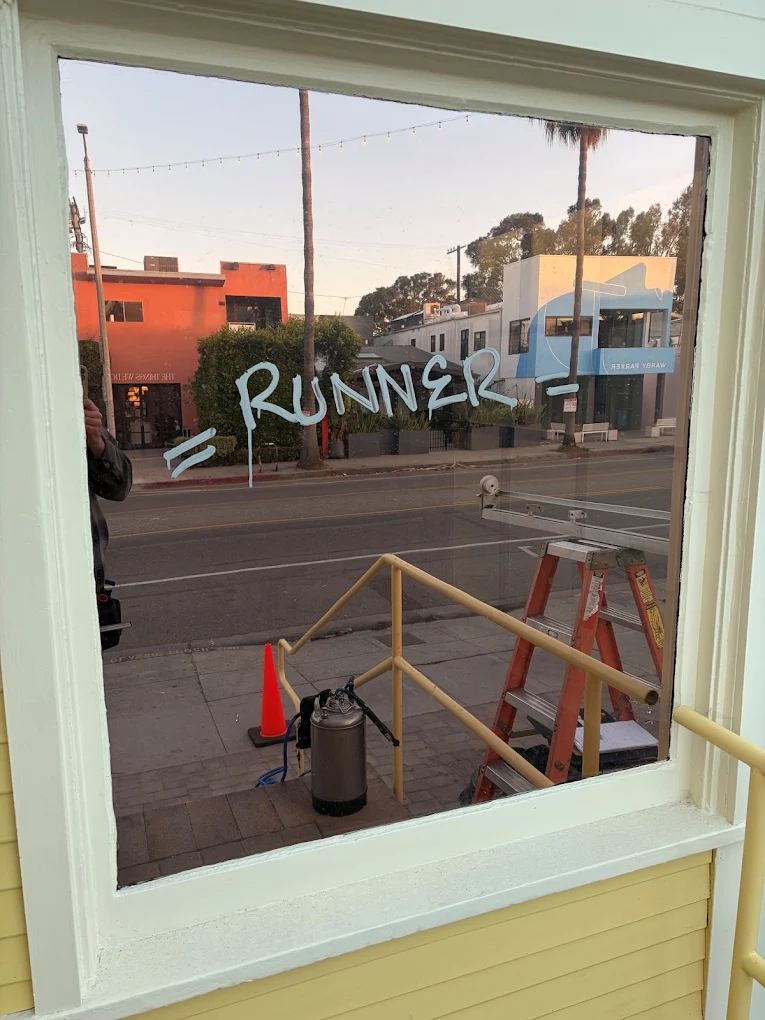 Riverside
What Low-E Window Film Does
The "E" is emissivity, a measure of how readily a surface sheds heat as radiation. Uncoated glass scores high on that scale: it takes in warmth from the room and passes it out to the cold night, which is a big part of why windows feel cold in winter. A low-E film has a thin, nearly invisible metallic coating that reflects that long-wave heat back into the room instead.
Most low-E films also include solar control. In summer they reduce the solar heat entering through the glass, much like a standard solar film. In winter, their low-emissivity surface reduces heat loss. That combination makes them a year-round upgrade rather than a summer-only product, which is useful in an inland climate with hot days and surprisingly cold nights.
Low-E Window Film and Riverside's Big Day-Night Temperature Swings
Riverside's climate swings more than coastal Southern California. Summer afternoons regularly pass 100 degrees, while winter nights can drop into the 30s or low 40s, especially in clear, dry weather after a cold front or during a Santa Ana event when skies are spotless. Big daily temperature swings mean windows work hard in both directions.
Buildings with clear single-pane glass feel those swings the most. Downtown Riverside has many older commercial buildings, churches and offices with original single-pane windows. Low-E film on that glass cuts summer heat and makes the space near the windows noticeably less cold on winter mornings, without replacing historic frames. Churches and halls with tall windows notice it most.
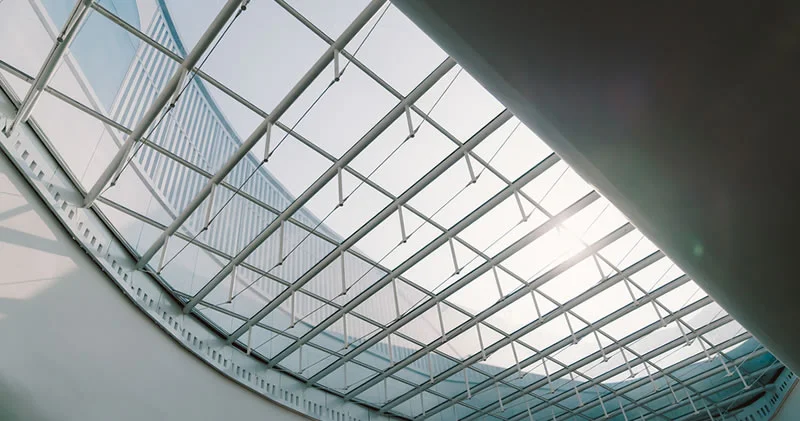
Low-E Window Film on Older Commercial Glass Downtown
In historic downtown buildings around the Mission Inn and along Main Street and Market Street, replacing windows is often difficult. Original frames may be part of what gives the building its character, and replacing them can trigger historic review, structural work or long lead times on custom units. Owners often want to keep them for that reason alone.
Low-E film offers a middle path. It goes on the inside surface of the existing glass, stays nearly invisible from the street and improves both summer and winter performance. It does not reach the performance of a modern insulated low-E unit, but it closes a meaningful part of the gap at much lower cost and disruption. We check each pane's condition first, since old glass with chips or cracks at the edges should be repaired before film goes on.
Low-E Window Film Compared With Dual-Pane Replacement
A modern dual-pane low-E window combines a coating with an insulating air or gas space, which is why its winter performance is better than any film on single glass. If windows are failing, leaking or rotting, replacement is the right call. If the frames are sound and the goal is better comfort and energy use, low-E film is a far cheaper upgrade with no construction.
On glass that is already dual-pane low-E, adding a low-E film brings a smaller winter benefit, since the glass already has a low-emissivity coating. In those cases, we usually focus on solar control on the hottest elevations instead. The film's summer heat rejection still adds value on west and south elevations that take long afternoon sun.
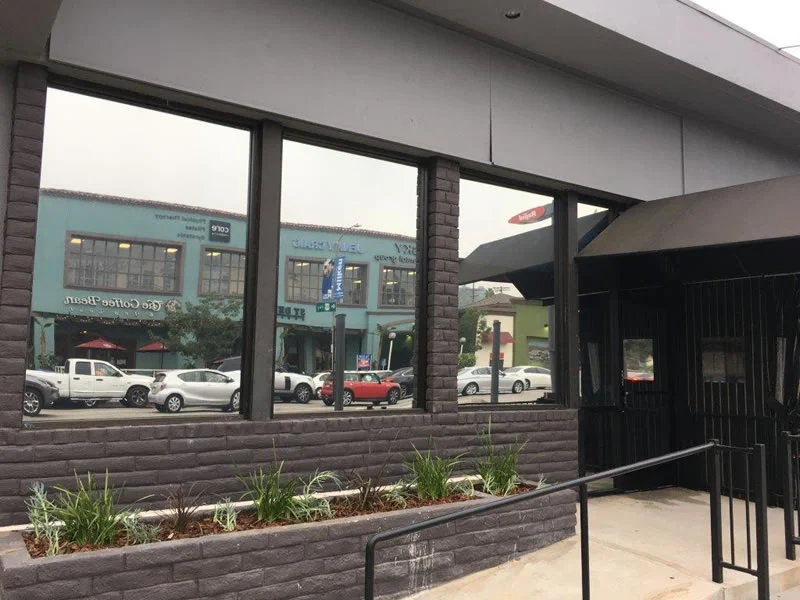
Low-E Window Film for Riverside Area Homes
Although this page focuses on commercial glass, low-E film is also useful in older homes. Bungalows in the Wood Streets, Spanish revival houses near Victoria Avenue and mid-century homes in Arlington often have single-pane windows that feel cold on winter mornings and hot on summer afternoons. Low-E film improves both without changing the look of the house. Residential and commercial installs follow the same process: a glass check, samples, cleaning, wet application and a cure period that is usually short in Riverside's dry climate.
For homes, the order of work is usually different from a commercial building. Bedrooms and living rooms with single-pane west glass come first, because they suffer in both seasons. North windows never see summer sun but still lose heat on January nights, so they make a sensible second phase if the budget allows.
Low-E Window Film Benefits for Riverside Properties
Low-E Film That Keeps Heat In on Winter Nights
The low-emissivity coating reflects interior heat back into the room, so single-pane windows lose less warmth overnight and feel less cold to sit near on winter mornings. The heater cycles a little less on cold mornings.
Summer Heat Rejection From Low-E Window Film
Nearly all low-E products double as solar control film, which means one installation cuts cooling load during Riverside's long summers and warms less in winter. That makes it one product for both seasons instead of two separate films.
Low-E Upgrade That Keeps Historic Windows
Film improves original single-pane glass without replacing frames, which matters for downtown buildings and older homes where the windows are part of the architecture. The view from the street stays exactly as it was, and original frames remain in service.
Lower-Cost Path to Better Glass Performance
Low-E film costs much less than replacement windows and installs without construction, so buildings stay open and residents stay home during the work. Work is done from inside, often in a day, and nobody has to move out of the space.
Riverside Low-E Window Film Questions
How does low-E film differ from buying low-E windows?
Not exactly. Both use a low-emissivity coating, but a low-E window combines it with an insulated dual-pane unit. Film adds a similar coating to existing glass and improves performance, though it does not match a full insulated unit.
Does low-E film make windows darker?
Some low-E films are quite light and others are darker, depending on how much solar control they include. We show samples so you can pick the balance of light and performance you want.
Can low-E film go on a historic building in Riverside?
Sitting on the room side of the pane and close to invisible, the film suits many historic buildings. If the building is a designated landmark, check with city preservation staff about any change first.
How do you clean low-E window film?
Once it has cured, a damp microfiber cloth with a little dish soap is enough. Keep scrapers and scouring sponges away, since the coated surface marks more easily than bare glass.
Window film quote
Low-E Window Film Quote for Your Riverside Building
Send the building address, the type of glass if you know it and rough window sizes or photos through the quote form, and we will recommend a low-E film for your windows.
Prefer email? info@windowfilmriverside.pro